Safety, Fire & Medical - Professional Assessment, Response & Training.

SaveLife has been providing Medical and Fire Warden services since 1999. We provide emergency service personnel, training and/or equipment no matter how big your event, from a local football derby to a large rock concert. SaveLife can prepare, review and implement, your risk management plan.

About Us

We provide staff to tackle any emergency

SaveLife have been supplying emergency crews and emergency management teams since 1999 to some of Sydney's largest venues and Australia's leading production companies.

We ensure when you order emergency crews - be it Medical or Fire Wardens - the crew will arrive on time and properly prepared to manage your emergency needs.

Staff
Services

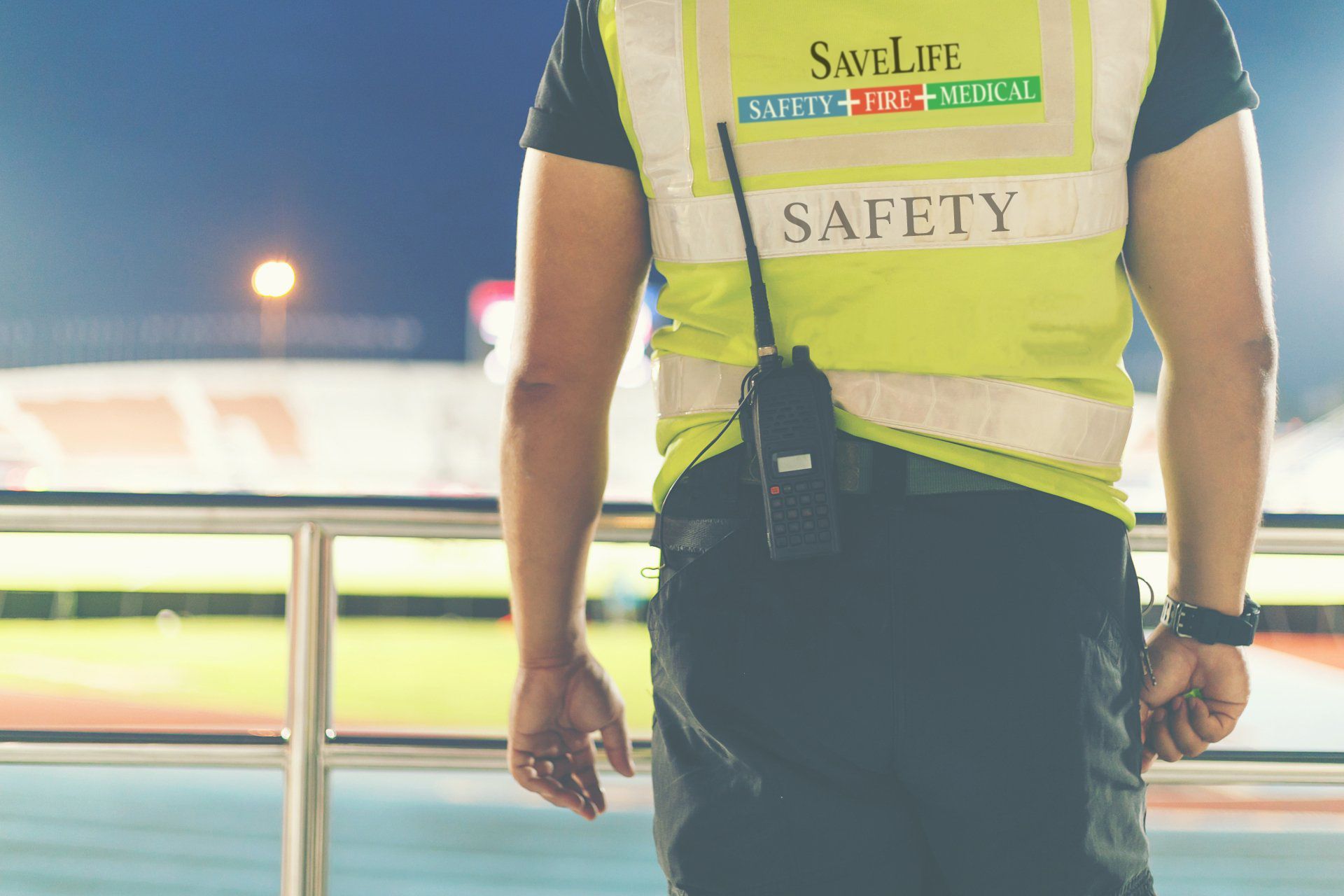
Safety

SAFETY SUPERVISORS

SaveLife have a hand selected group of staff that are WH&S trained and experienced ready to step in and implement your Risk Management Plans.

Your Risk Management Plans are very specific to your industry, cutting across SFX, Stunt, Site, Construction and now CoVid. SaveLife offers the staff needed to help implement these control measures.


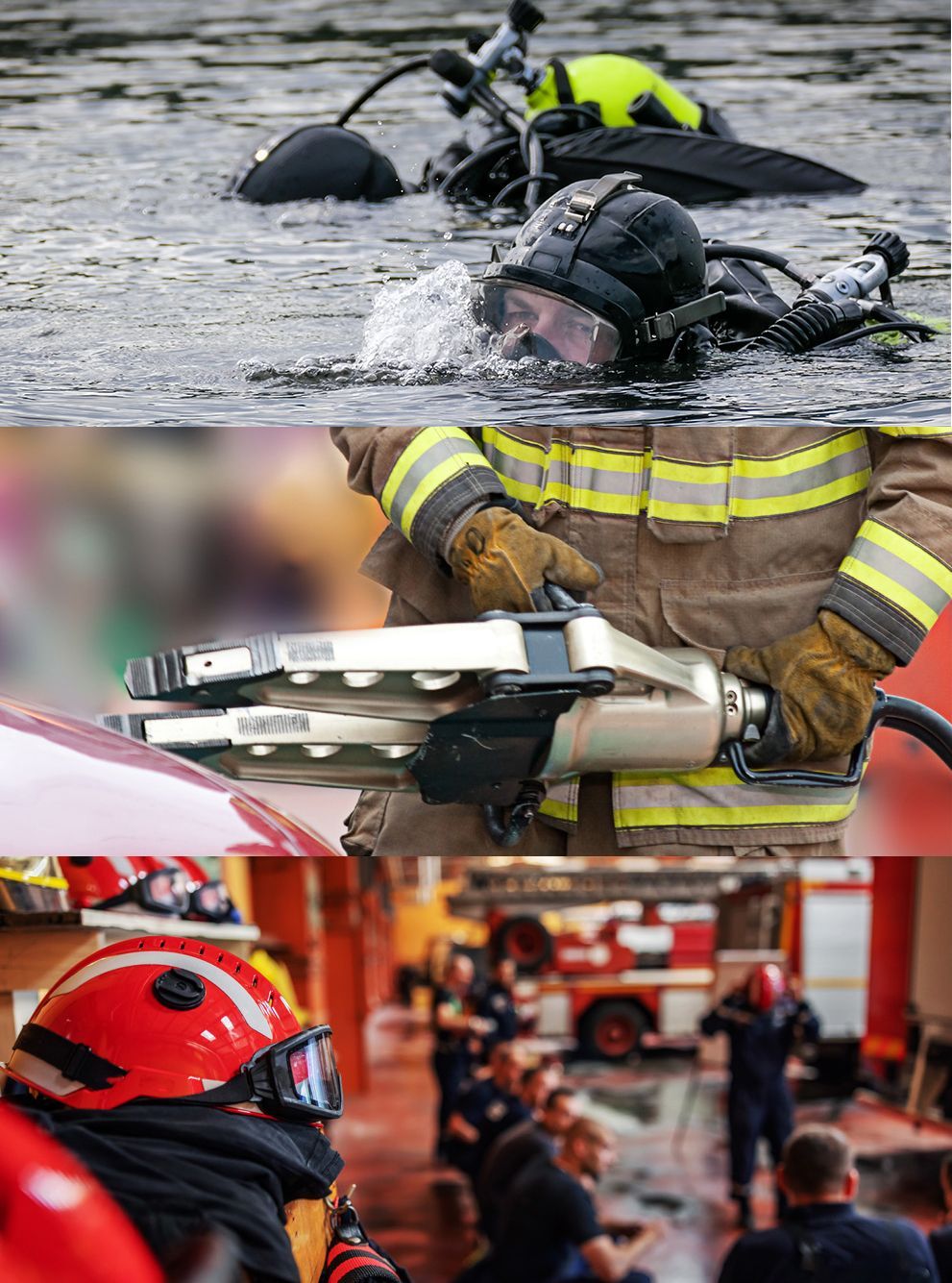
WATER SAFETY

At SaveLife we have learnt, it is one thing to provide a water rescue team, it is another to have one that integrates into the activities that are taking place in, under and around the water. Our Water Rescue team have worked with some of the best underwater engineers as they build some of the most complex scaffolding structures. While at the same time keeping non-water based staff safe. Then as the fun starts above the water, the water rescue team integrates with the SaveLife medical team to ensure timely response and treatment when crew and talent find themselves in need of help.

Trust is the foundation of great service

The importance of managing your medical, fire and safety needs is not lost on us - we're proud of our service and the philosophy that underpins our enviable reputation. Like the the level of service we provide, we hope you find your online experience organised, professional and informative.

Features
✓ Trust ✓ Expertise
✓ Accuracy ✓ Experience
✓ Confidentiality ✓ Professional
About Us

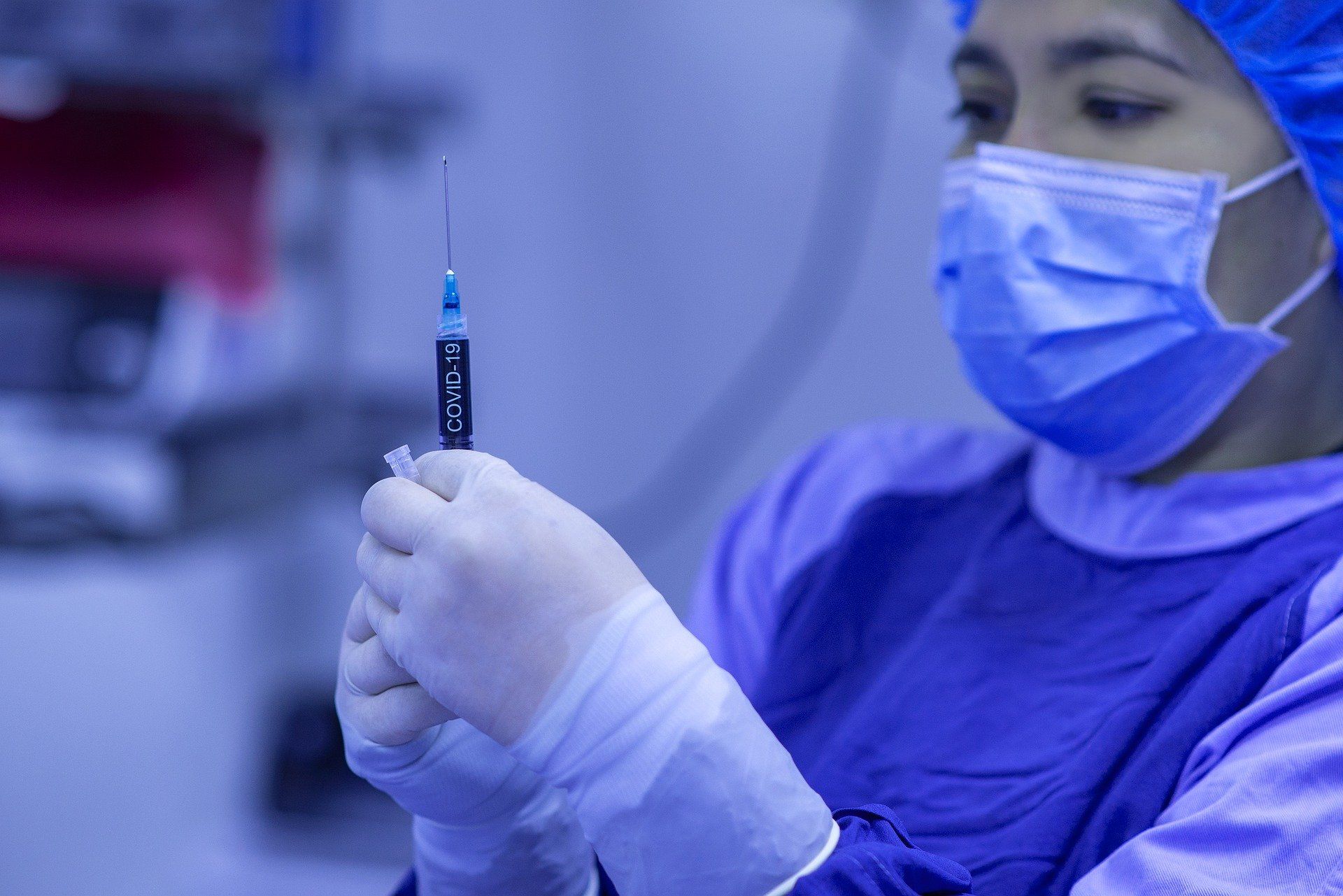
COVID-19 Services:

COVID – PCR and RAT supplies and testing, covid specialist staffing 

More Information

SaveLife News

By Glen July 8, 2026
There's a particular kind of quiet that anyone who works in film, television or sport knows well. It's the quiet after the wrap. After the season ends. After the contract runs its course and the next one hasn't landed yet. The gear is packed away, the group chat goes still, and for the first time in weeks or months, the phone doesn't ring. If you've felt that quiet lately, you're not alone. And you're not doing anything wrong. The gap isn't a failure. It's the shape of the work. We tend to talk about these industries as though steady employment is the norm and the quiet stretches are some kind of interruption. For most people who actually make sport and screen happen, it's the other way around. The work comes in bursts. A production. A tour. A season. An event. And in between those bursts sit the gaps — sometimes short, sometimes long, almost always uncertain. This is true whether you're crew waiting on the next shoot or a physio, a medic, a coach or event staff waiting on the next season to start. Plenty of people assume the off-season is paid downtime. For a great many, it isn't. It's the same waiting, the same not-knowing, just with a different name on it. Knowing all this intellectually doesn't make it easier to live through. But it does change one important thing: the gap stops being evidence that something's wrong with you, and starts being what it actually is — a normal part of a professional cycle you've chosen, and chosen for good reasons. It's the not-knowing, not the resting Here's something worth sitting with. Most people who struggle in the gaps aren't actually struggling with the rest. A break, in itself, is fine — good, even. What wears people down is the uncertainty wrapped around it. The open-ended question of when. The quiet arithmetic running in the background about how long the money lasts. The strange loss of identity that comes when so much of who you are is tied to being on set or on the sideline, and suddenly you're neither. That's the real weight of the space between. Naming it honestly is the first step to carrying it better. Getting through it None of what follows is a magic fix. The gaps are real and so is the stress. But over years spent on sets and sidelines, watching how people move through these stretches, a few things consistently seem to help. Protect your routine, especially sleep. When there's nowhere you have to be, structure is the first thing to go — and it's one of the first things to protect. You don't need a rigid schedule. You need enough of a rhythm that your days don't blur and your sleep doesn't drift. Your body and your head both hold up better for it. Deal with the money stress honestly, not silently. The financial worry doesn't get smaller by being ignored; it just gets heavier and quieter. Look at the actual numbers. Make a plan for the lean weeks. Talk to someone if you need to. Certainty about your situation — even uncomfortable certainty — is easier to carry than a vague, growing dread. Stay connected to your people. The instinct when work dries up is often to go quiet, to withdraw, sometimes out of a bit of shame. Resist it. The community that got you your last job is the same one that hears about the next. Beyond the practical side, these are the people who understand exactly what this stretch feels like, because they're living it too. Keep yourself current. Certifications, tickets, skills, fitness — the quiet time is when they slip, and it's also the time you actually have to keep them sharp. Using a gap to stay ready means that when the call comes, you say yes without hesitation. Use the time — but don't punish yourself for resting in it. There's a balance here. Yes, the gap is a chance to learn something, tidy the loose ends, prepare. But it's also, genuinely, permission to breathe after a demanding run. You don't have to earn your rest by being relentlessly productive through it. The mindset that helps most The single most useful shift we've seen people make is this: treating the gap as part of the job, rather than a break from it. The waiting, the preparing, the looking-after-yourself between engagements — that's not time off from your career. That's your career, in its quieter phase. When you hold it that way, the quiet stops feeling like a verdict on your worth. It becomes what it is: the natural in-breath between one demanding stretch and the next. And the phone does ring again It's easy, in the middle of a long gap, to quietly believe this one might be permanent. It rarely is. The industries we work in run in cycles, and the people who look after themselves through the quiet — who keep their rhythm, their relationships and their readiness intact — are the ones who come back sharpest when things pick up again. And they always do pick up again. We spend our working lives looking after the people who make sport and screen happen — on set, on the sidelines, and, we hope, a little in the space between too. Look after yourself out there. We'll all be back at it before long.
By glen March 14, 2025
Burnout is a growing concern in many industries, and the television production world is no exception. With tight deadlines, long hours, and high-pressure environments, production teams are often at risk. However, one overlooked factor in preventing burnout is workplace safety. Safety protocols are not only about physical protection but also about creating a healthy, balanced work environment that reduces stress, boosts morale, and ultimately helps prevent burnout.
By glen March 14, 2025
Whether it's a live concert, a film shoot, or a major sporting event, safety is a top priority. In high-stakes environments where large crowds, complex logistics, and high-pressure situations are the norm, the role of a skilled and experienced safety supervisor is essential. Their expertise ensures the safety of both staff and the public, while also minimizing the impact of emergencies should they arise.
January 16, 2024
Since 2019, the business landscape has undergone significant transformations in the wake of the global COVID-19 pandemic. As we step into 2024, companies worldwide continue to grapple with the evolving challenges and opportunities presented by the ongoing pandemic. In 2023, COVID-19 produced a new strain called JN.1: Question is do we need to panic? The short answer is NO. The World Health Organisation (WHO) has labelled JN.1 as a “variant of interest" (VOI), a designation given to certain variants of a virus, such as the SARS-CoV-2 virus that causes COVID-19. VOI’s are closely monitored due to specific characteristics that may have implications for public health efforts. The criteria for designating a variant as a VOI may vary by health organizations. Generally, a variant of interest may exhibit one or more of the following features: Increased Transmission: The variant may show evidence of increased transmissibility, meaning it spreads more easily from person to person. Impact on Diagnostics, Treatments, or Vaccines: There may be concerns that the variant could impact the effectiveness of diagnostic tests, treatments, or vaccines. Potential for Increased Severity: The variant might be associated with more severe disease outcomes. Increased Resistance to Immunity: There could be indications that the variant is less susceptible to immunity generated through previous infection or vaccination. It's important to note that the designation of a variant as a "variant of interest" does not necessarily mean that it poses a significant threat . It is a classification used by health authorities to draw attention to certain variants that warrant closer monitoring and further investigation. If a variant demonstrates increased risk and becomes more concerning, it may be reclassified as a "variant of concern." Public health agencies, such as the WHO and national health organizations, regularly assess and classify variants based on these criteria to inform public health measures and strategies. Monitoring and understanding the characteristics of variants are crucial components of the ongoing efforts to control and manage the spread of infectious diseases. The U.S. Centres for Disease Control and Prevention (CDC) at the time provided an update on the JN.1 subvariant. According to the CDC, there is currently no evidence suggesting that JN.1 poses an elevated risk to public health compared to other variants currently in circulation. Moreover, the CDC reassured that individuals who receive an updated vaccine shot can continue to be effectively protected against this specific variant. So what do we need to do? Continue to implement robust health protocols, including regular sanitization, social distancing measures, and if appropriate vaccination policies. Also monitor public health messaging and adjust accordingly, ensuring that you prioritise the safety of employees and customers not only protects public health but also builds trust in the brand. As businesses chart their course in 2024, the lessons learned from the COVID-19 pandemic should continue to shape your strategies and priorities. Fostering resilience, prioritising employee well-being, and maintaining a customer-centric focus are key pillars for success in the post-COVID era. By staying agile and innovative, businesses can not only weather uncertainties but also thrive in a rapidly evolving business landscape.
By glen July 12, 2023
There is a reason why events have Safety Supervisors on site, and not Risk Supervisors. In any situation, ensuring a safe and secure work environment is of paramount importance. To achieve this, companies often have dedicated professionals responsible for managing risks and promoting safety. These professionals are known as risk supervisors and safety supervisors. In this blog, we will explore the key differences between these two roles and help you determine which one your event may need. What is a Safety Supervisor? A safety supervisor, also referred to as a safety officer or safety coordinator, is responsible for promoting and maintaining a safe working environment for employees. Their primary objective is to prevent accidents, injuries, and occupational hazards by implementing safety protocols, conducting inspections, and providing safety training to employees. Safety supervisors monitor compliance with safety regulations, investigate incidents, and develop strategies to minimize workplace risks. They possess strong communication and organizational skills. What is a Risk Supervisor? A risk supervisor, also known as a risk manager or risk assessor, plays a crucial role in identifying, assessing, and mitigating potential risks that can impact an organization's operations, assets, or reputation. Their primary focus is on analyzing the probability and potential impact of risks, developing risk management strategies, and implementing risk control measures. Risk supervisors work closely with various stakeholders to ensure risks are identified and addressed effectively. They typically possess strong analytical and problem-solving skills. How do you get both without breaking the budget? At SaveLife, during pre-production or event planning stage we focus on Risk Management, primarily focusing on identifying and managing risks that can impact the organization, including financial, legal, and reputational risks. Analysing risks at a broader level, considering the overall impact on the client’s objectives and strategies. It is during the pre-production stage our risk supervisors apply their strong analytical, problem-solving, and strategic thinking abilities. Applying risk assessment methodologies and knowledge of various risk management frameworks. Once the event or production is underway, our experts become Safety Supervisors, concentrating on ensuring the physical safety and well-being of employees within the workplace. Safety supervisors, focus on specific workplace safety measures and compliance with regulations. Calling on their excellent communication, training, and inspection skills, along with a deep understanding of occupational health and safety regulations. Conclusion In conclusion, both risk supervisors and safety supervisors play vital roles in maintaining a safe and secure work environment. It is key that the person you engage has the skills and experience to understand the differences between these roles and how to move between each function smoothly. Doing so will ensure the well-being of your employees and the overall success of your event or production.
By glen July 12, 2023
Introduction: In today's fast-paced and competitive world, productions and event organisers are increasingly recognizing the importance of prioritizing employee morale. A positive work environment not only enhances productivity but also fosters loyalty and job satisfaction amongst the team. One of the key factors that contribute to a high morale is safety. In this blog post, we will explore how safety boosts morale and discuss the various ways in which organizations can create a safe work environment for their employees. 1. Safety as a Confidence Booster: When your team feel safe and secure in their workplace, it instils a sense of confidence in them. Knowing that their employer prioritizes their well-being and takes necessary precautions to ensure their safety, employees are more likely to feel valued and motivated. This confidence translates into higher job satisfaction and a positive attitude towards work, ultimately boosting morale. 2. Reduced Stress and Anxiety: A safe work environment significantly reduces stress and anxiety amongst the team. When employees are confident that they are protected from potential hazards and risks, they can focus better on their tasks and responsibilities. This reduction in stress levels allows the team to feel more relaxed, leading to an increase in job satisfaction and overall morale. 3. Increased Productivity: Safety measures and protocols in the workplace not only protect everyone from accidents but also create an atmosphere conducive to productivity. When the team are not constantly worried about their well-being, they can concentrate on their work more effectively. This increased focus and productivity have a direct impact on employee morale, as they feel a sense of accomplishment and fulfillment. 4. Trust and Loyalty: A safe work environment fosters trust and loyalty. When the team feel that management genuinely cares about their safety, they are more likely to develop a sense of loyalty towards the company. This loyalty strengthens the bond between the team and production, leading to higher job satisfaction and increased morale. 5. Positive Company Culture: Safety initiatives and practices contribute to shaping a positive company culture. By prioritizing safety, organizations send a clear message to the team that their well-being matters. This commitment to safety creates a sense of unity and fosters a positive work environment, where employees feel valued and supported. A positive company culture, in turn, enhances morale and helps in attracting and retaining top talent. Conclusion: A safe work environment is a crucial factor in boosting team morale. By prioritizing safety, organizations not only protect everyone from potential hazards but also create a positive work atmosphere that fosters loyalty, trust, and productivity. Investing in safety measures and promoting a culture of safety can significantly enhance employee morale, leading to a happier and more productive workforce.
By Glen February 23, 2022
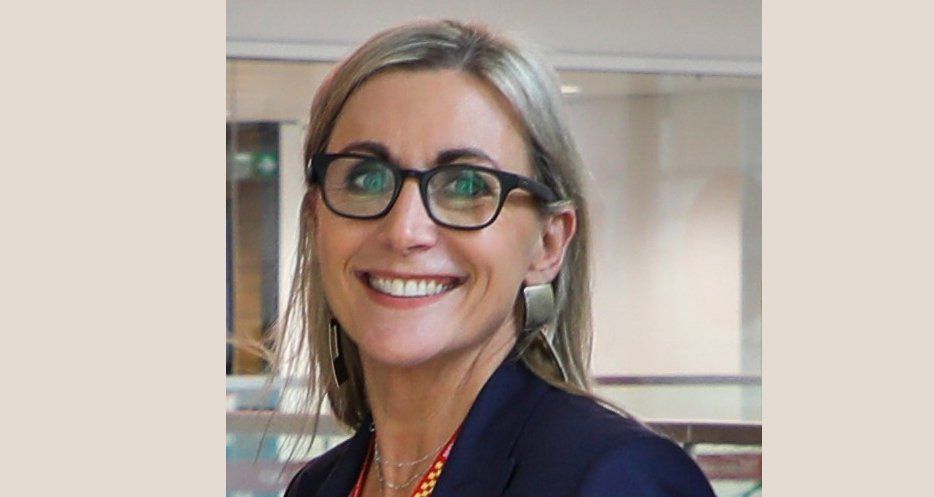
Originally Registered Nurses had to maintain a BASIC first aid qualification, however that is no longer the case. In Australia, “exemptions for first aid certificates are available for registered nurses, medical doctors and professional paramedics. Nurses are only required to hold a current registration certificate”. https://www.realresponse.com.au/first-aid-courses/perth/certificate/ I have just spent 9 weeks on a television production as its safety supervisor, with another company providing the “Set Nurse” to cover first aid. Over that 9 weeks, we had 4 different registered nurses attend. Only two of the four had any real emergency response experience. The provider had met their contractual requirement to provide a “registered nurse”, but some of them, had no ongoing skill maintenance or experience in onsite emergency response or the equipment (more on this later) required to manage any real emergency. While nurses are required to undertake continuing professional development (CPD) hours, “they only need to do study in areas directly relevant to their context of practice” . https://www.apna.asn.au/education/what-is-cpd . So, for nurses in mental health, child and family health, and perioperative care, first aid might be very low on their skill needs. Just because the owner of a company or the on-set nurse might be a nice person, does not mean you should accept any nurse for a production, especially one that does not have critical emergency first aid skills. That is the reason why SaveLife carefully screen all the nurses who try and get a role with our company. For example, our latest member to the SaveLife team, Jane Hancock , who has more experience than any set nurse I know. Jane has spent time on the Mercy Ships and Médecins Sans Frontières (Doctors Without Borders) . This problems is not new, in an article written by Safety Consultant Jon Heaney back in Aug 2019, where he identified “NSW health states that only some university’s require nurses to hold their first aid certificate, but not all of them, so it stands that it is not mandatory for someone to hold a 1st aid certificate to become a Registered Nurse.” “A trained first aider should hold a nationally recognised statement of attainment from a registered training organisation. Some workplaces may require more specific or advanced first aid training depending on the nature of the work or the workplace. First aiders should attend training regularly, so their knowledge and skills are up-to-date.” https://www.linkedin.com/pulse/safety-set-1st-aid-who-when-why-jon-heaney/ But no matter how skilled the nurse or paramedic, they are powerless if they do not have the right gear on site. On the last two productions I have been on, where SaveLife did not provide the medical care, the on-set nurse and paramedic had no advanced airway equipment. Equipment critical for an unconscious patient, no matter what the cause. Or carry pain medication that can give immediate relief until an ambulance arrives. I must be honest I was so frustrated, that the answer I received back from these “medical professionals” was “ we don’t carry that, we would call 000 ”. What then is a production paying for? Ask yourself this one question: What do you think you are getting when you request a Nurse or Paramedic? A lot of the time it isn’t what would turn up if you dialled 000. At no extra cost, SaveLife medics will always turn up with oxygen, defib, trauma kit and significant pain relief (green whistle) and be qualified and experienced in emergency response. Because isn’t that what you really want?
March 22, 2021
There are four misconceptions out there that paid on-set medical response staff do not need their own malpractice insurance.
February 18, 2021
Australia’s COVID vaccine rollout scheduled to begin in mid- to late February. Vaccination will commence with workers dealing with international arrivals or quarantine facilities, frontline health workers and those living in aged care or with a disability.
By Staff Writers January 25, 2021
It became very quickly apparent to ensure clients could protect their staff and clients from the spreading COVID-19, keeping up to date with the latest Health Department instruction would be the key.